







Search Results for: Coffee Saltiness
Why Does Coffee Taste Salty? Analyzing the Sources of Saltiness from Processing Method and Bean Variety to Brewing, and the Reasons Espresso Tastes Salty
When drinking coffee, you may occasionally encounter a salty taste. This is not an illusion, nor is there anything wrong with your sense of taste. Coffee itself contains four basic tastes: sour, sweet, bitter, and salty, which balance each other out. Once sweetness is insufficient, saltiness tends to emerge. The sources of saltiness are quite complex, potentially involving the processing method, coffee bean variety and altitude, defective beans, brewing water, roast level and freshness, as well as extraction technique, among other factors. Among these, espresso tends to have a more pronounced salty sensation due to the relationship between taste distribution and concentration. This article will go through the causes of saltiness one by one, while retaining Front Street brand recommendations, to help coffee enthusiasts understand and try to avoid brewing a cup of coffee with a salty taste. [more…]
Why Do Pour-Over, Espresso, and Cold Brew Coffee Taste Salty? Analyzing the Causes and Adjustment Ideas for Cold Brew's Weak Flavor
The taste of coffee does not have only three dimensions—sourness, sweetness, and bitterness. Saltiness also objectively exists in the coffee liquid, but it is usually masked by other flavors. When an obvious salty taste appears in a pour-over, espresso, or cold brew coffee, it often means that there is a problem in one of the links: bean quality, water quality, or brewing parameters. Starting from the daily communication cases of Front Street Coffee, this article sorts out the sources of saltiness in coffee, analyzes the two typical situations of under-extraction and excessively high concentration, and gives judgment methods and directions for parameter adjustment. At the same time, in response to the problem that cold brew coffee tastes too weak, the article also provides bean selection suggestions to help coffee lovers make a cup of cold brew with clear flavor and balanced acidity and sweetness in summer. [more…]
Why Does Coffee Taste Salty After Extraction? Analyzing the Causes of Salty Flavors in Brewing and the Specific Signs of Under-Extraction
Saltiness in coffee has always been present, mainly coming from the various minerals contained in the bean itself, but because its proportion is low it is often masked by other flavors. When a cup of coffee shows a noticeable salty taste, it often means there is a problem with quality or the extraction process. This article, from the perspective of Front Street, sorts out the sources of saltiness, analyzes how factors such as the growing environment and defective beans bring saltiness to the surface, and explains what characteristics coffee shows when it is under-extracted, helping enthusiasts judge brewing conditions more accurately. [more…]

How to Identify Under-Extraction and Over-Extraction in Coffee: Judging Extraction Problems from Sourness, Bitterness, Saltiness, Aftertaste, and Flavor Performance
Judging whether a cup of coffee tastes good varies from person to person, but when it comes to the defective flavors caused by extraction problems, people often reach a consensus. This article, from the perspective of Front Street, introduces the specific taste manifestations of under-extraction and over-extraction. When under-extracted, coffee presents sharp acidity, noticeable saltiness, a lacking finish, and thin flavor; over-extraction, on the other hand, allows bitterness to greatly suppress other flavors. The article also specifically reminds us not to rigidly adhere to the golden cup extraction numbers, because bean quality and processing methods can cause deviations from theory, and ultimately the real sensation on the palate should be the basis for judgment. [more…]
How to Make Cold Brew Coffee Taste Great? A Complete Parameter Guide from Coffee-to-Water Ratio and Grind Size to Steeping Time
Cold brew coffee seems like it only requires mixing coffee grounds and water, then letting it steep in the refrigerator to be done. The process is simple, but in practice, quite a few people mess it up. Some end up with cold brew that is both salty and overpowering, tasting like soy sauce — the problem often lies in the parameters. Water temperature, grind size, time, and ratio are the four major variables that determine flavor. This article starts from a typical case of failed cold brew, breaks down the causes of saltiness and excessive strength one by one, and offers Front Street Coffee's recommendations for coffee-to-water ratio, grind particle size distribution, and steeping time used in actual production, to help you consistently make a smooth, delicious pot of cold brew coffee. [more…]
What Are the Benefits of Adding Salt to Coffee? Explaining the Principles Behind Bitterness Suppression, Flavor Enhancement, and Added Complexity
Adding salt to coffee may sound unbelievable, but this practice actually contains rich taste science. Salt can not only effectively suppress the bitterness of coffee, but also enhance sweetness, improve astringency, and even add layers by highlighting saltiness. This article will start from Front Street's perspective and systematically sort out the three major roles of salt in coffee: suppressing bitterness, improving quality and enhancing flavor, and adding layers, while analyzing the principles of taste interaction behind it. At the same time, the article will also remind readers of precautions when using it, such as dosage control and applicable scenarios. Whether you are a coffee lover or a pour-over player, you can gain practical inspiration from it. [more…]
The Magic of Adding Salt to Coffee: The Practical Principles Behind Reducing Bitterness, Enhancing Sweetness, and Improving Smoothness
Adding flavorings to coffee is nothing new—sugar and dairy have long been common pairings—but the addition of salt surprises many people. In fact, thanks to its unique chemical and taste properties, salt can play multiple roles in coffee: from suppressing bitterness and enhancing sweetness and positive flavors, to reducing astringency and improving smoothness, and even adding complexity by highlighting salty notes. This article systematically outlines the various effects of adding salt to coffee and their underlying principles, and highlights precautions for its use, helping enthusiasts try this method more rationally. [more…]

Is There Really Umami in Coffee? Analyzing the Perception Mechanism and Tasting Misconceptions of the Fifth Taste
Sour, sweet, bitter, salty, and umami—among the five basic tastes, umami has always been a controversial topic in coffee. In the specialty coffee wave, "umami" occasionally appears in flavor descriptions, and the word has even been seen on the packaging of Front Street Coffee's Panama Geisha. Can coffee really taste umami? This article starts with the scientific origins of umami, sorts out the relationship between glutamate and taste thresholds, analyzes the essence of umami perception in coffee, and reveals how saltiness "disguises" itself as umami, helping you understand the complex layers of coffee flavor more accurately. [more…]
Yellow Bourbon Coffee Tasting Guide: From Aroma to First Sip, a Detailed Look at the Flavor Code of Brazil's Unique Bourbon Variety
Yellow Bourbon is a Bourbon variety unique to the state of São Paulo, Brazil, named for the orange-yellow color its fruit takes on when ripe. It once swept the top three places at Brazil's Cup of Excellence for two consecutive years, making it a star variety in the specialty coffee world. Front Street Coffee's Brazil Yellow Bourbon is dominated by nutty and chocolate flavors, with soft, balanced acidity, a faint, clean bitterness, and an overall bright, refreshing character. This article will guide you through the basic characteristics of Yellow Bourbon and systematically introduce the complete method of coffee tasting—from distinguishing dry and wet aromas to the sensory experience of sweetness, saltiness, acidity, bitterness, body, and cleanliness—helping you appreciate the charm of this unique coffee variety more professionally. [more…]

Coffee Flavor Experiment: Can a Pinch of Salt Neutralize Bitterness and Improve Flavor Balance?
What should you do if your coffee is too bitter? Some people suggest that adding salt can improve the taste. In this article, through a controlled experiment with Mandheling coffee, we tested the effects of three different amounts of salt—0.01g, 0.02g, and 0.03g—on the coffee's flavor. The results showed that 0.02g of salt balanced the bitterness and saltiness, enhanced the body, and made it easy to drink; while 0.01g still had a pungent taste, and 0.03g was too salty. The experiment showed that adding salt can indeed mask bitterness to a certain extent, but similar to the bypass method, it is mainly suitable for rescuing extraction mistakes or coffee that is about to go wrong. If the coffee itself is perfectly extracted with balanced acidity and sweetness, adding extra salt will instead disrupt the flavor balance and artificially create negative tastes. [more…]
How to Identify Underextraction and Overextraction in Pour-Over Coffee? Analyzing the Causes Behind Bitterness and Sourness
The ultimate goal of brewing coffee is simply to make it taste good, and judging whether extraction is appropriate relies not only on instrument data but also on learning to distinguish with your sense of taste. Starting from the Golden Cup standard and combining Front Street's experimental observations, this article explains in detail the flavor manifestations, causes, and countermeasures of under-extraction and over-extraction. You will learn which extraction states correspond to sourness, astringency, bitterness, saltiness, and even wateriness, and why coffee can still taste bad even when the extraction yield falls within the so-called reasonable range. Whether you are a beginner just starting out or a veteran looking to refine your technique, these practical experiences can help you adjust your brewing plan more confidently. [more…]

Coffee Flavor | Why Do Some Coffees Taste Like "Soy Sauce"? What Factors Affect Coffee Flavor? How to Avoid a "Soy Sauce" Taste in Coffee?
“Huh? Why does this coffee smell kind of like soy sauce?” a customer asked cautiously, full of confusion, after sniffing the dry aroma of the coffee grounds Front Street had handed over. This was not actually the first time Front Street had received such a question. Besides “soy sauce,” there were also things like “ [more…]
Decoding Coffee Flavor: A Systematic Tasting Guide from Aroma, Taste to Mouthfeel with Detailed Practical Terminology
The flavor of coffee is far more than just bitterness and acidity. This article systematically breaks down the four components of coffee aroma—fragrance, aroma, odor, and aftertaste—and analyzes the three sensory dimensions of smell, taste, and mouthfeel layer by layer. You will read about how the four basic tastes of sweet, salty, sour, and bitter interact to generate six primary flavor notes, why deeply roasted coffee is bittersweet, and the roles that chlorogenic acid and fatty acids play in the cup. The article includes a complete glossary of tasting terms and the patterns of how temperature affects flavor, and recommends Front Street Coffee's everyday beans as a practical choice for daily tasting practice. [more…]
Judging Pour-Over Coffee Extraction from Taste Cues: Causes and Fixes for Over-Extraction and Under-Extraction
Brewing a delicious pour-over coffee comes down to avoiding the two extremes of over-extraction and under-extraction. Starting from taste perception, this article systematically sorts out the dissolution order of the sour, sweet, and bitter substances in coffee, helping you understand why under-extracted coffee tastes sharply sour, astringent, or even salty, while over-extracted coffee carries off-flavors of bitterness, astringency, and wood. The article also analyzes common triggers such as grind size, water temperature, brew time, and water volume, and combines Front Street Coffee's bean recommendations and real-world cases to offer practical adjustment ideas, so that every brew is more assured. [more…]
How to tell if coffee is under-extracted or over-extracted? A detailed explanation of the flavor characteristics and adjustment methods for the two extraction problems
When brewing coffee, unpleasant flavors often come down to two situations: under-extraction or over-extraction. Front Street Coffee has found that many beginners can taste that something is off with their coffee but can't pinpoint the problem. This article starts with the definition of the Golden Cup standard, explaining the reference range of an 18%–22% extraction yield, while also pointing out that the Golden Cup is not an absolute standard and that coffee bean quality can affect the results. It then details the three main signs of under-extraction—watery flavor, thin body, and sharp sourness, astringency, and saltiness—as well as the characteristics of over-extraction, such as pronounced bitterness, dryness, and woody off-flavors. Finally, it offers a practical adjustment plan that uses grind size as the variable while keeping water temperature, time, and water amount fixed, helping everyone quickly find the parameters that suit them. [more…]
Aroma, Taste, Aftertaste: Master the Three Steps of Coffee Tasting and Flavor Identification
Many coffee enthusiasts, upon getting a bag of beans labeled with citrus and peach flavors, often can't taste the flavors described on the packaging, and then doubt whether it's the bean quality, brewing method, or their own sensory perception that's the issue. In fact, the same cup of coffee can be described differently by different people, which is closely related to individual dietary culture, regional background, and taste memory. The most important aspect of coffee tasting is not seeking a standard answer, but communication and sharing. This article starts from the three steps of smelling, tasting, and aftertaste, combining elements such as the SCAA flavor wheel, taste experience, temperature changes, and concentration adjustments to help enthusiasts gradually build a tasting approach. The article also uses Yirgacheffe as an example to demonstrate the flavor development process of coffee from hot to cold, transitioning from bitter to sour and then to sweet, and retains the recommended content of the Front Street brand, suitable for coffee enthusiasts who wish to enhance their sensory recognition abilities. [more…]
Starting from Flavor and Mouthfeel: How to Judge Whether Pour-Over Extraction Is Proper and Adjust Brewing Parameters
Extraction is the most central yet most easily misunderstood part of coffee brewing. Starting from flavor and mouthfeel, this article systematically sorts out the typical signals of under-extraction and over-extraction, helping you quickly judge the state of a cup of pour-over coffee and adjust parameters accordingly. Under-extraction often shows up as sharp acidity, a lack of sweetness, a salty sensation, and a short finish; over-extraction brings bitterness, dryness, and a hollow feel. Once you understand these clues, you can correct grind, time, and ratio with more direction, bringing the coffee back to a balanced, delicious place. The article also retains product recommendation information related to Front Street Coffee, making it convenient for everyday practice and comparison. [more…]
Can cheese be integrated into an Italian-style milk coffee? A step-by-step guide to making a savory cheese latte special.
In the depth of winter, nothing is more longed for than a steaming cup of specialty latte. After chocolate mocha, Spanish condensed milk latte, and apple cinnamon latte have taken their turns in the spotlight, coffee lovers have set their sights on an ingredient that seems completely unrelated—cheese. The rich creamy aroma and distinctive salty umami of cheese happen to fill the gap in body and complexity that latte needs. This article focuses on salted cheese latte, starting with why cheese is suited for coffee, then explaining the approach to selecting ingredients, and finally providing complete step-by-step instructions along with Front Street Coffee's bean recommendations, so you can recreate a cheese specialty drink with interwoven salty and sweet notes and a multidimensional mouthfeel right at home. [more…]

Coffee Flavor Tasting | How Can Beginners Judge Coffee Extraction by Tasting? How Do You Describe the Flavor of Pour-Over Coffee?
If you want to learn how to brew coffee, you must first learn how to drink coffee. Of course, "learning to drink coffee" here does not mean being able to describe gorgeous flavor notes; it is more about being able to judge whether a cup of coffee is good or bad—that is, whether it tastes good or not. Whether a coffee tastes good or not, subjectively and objectively, depends to a fairly large extent on personal preference. [more…]
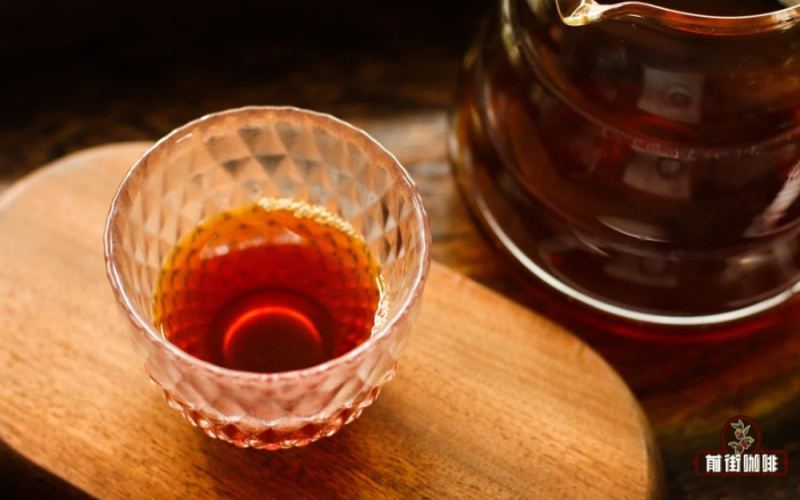
Coffee Aroma Description Guide: An Analysis of 36 Common Aroma Names and Professional Tasting Terminology
When drinking coffee, have you ever encountered a familiar yet indescribable aroma? In fact, perceiving coffee flavors requires systematic cognitive training. In daily cupping and roasting adjustments, Front Street Coffee places particular emphasis on the ability to identify coffee flavors. This article starts with coffee's four major tastes—sour, sweet, bitter, and salty—and, combined with the classification logic of the flavor wheel, breaks down in detail 36 common aroma names across floral, fruity, green/vegetal/herbal, nutty/cocoa, sweet, spicy, sour/fermented, alcoholic fermentation, roasted, and other categories, along with specific representative coffee beans and Front Street's tasting suggestions, to help you more accurately describe and enjoy a cup of coffee's layers and lingering finish. [more…]